Maritime systems
Design and optimization
of maritime systems
Decrease fuel consumption, reduce operational downtime and maximize speed with CAESES.
90%
Faster design process
100%
Automation
10.000+
Variants
Trusted by 150+ top global brands
CAESES design capabilities for maritime applications
Model
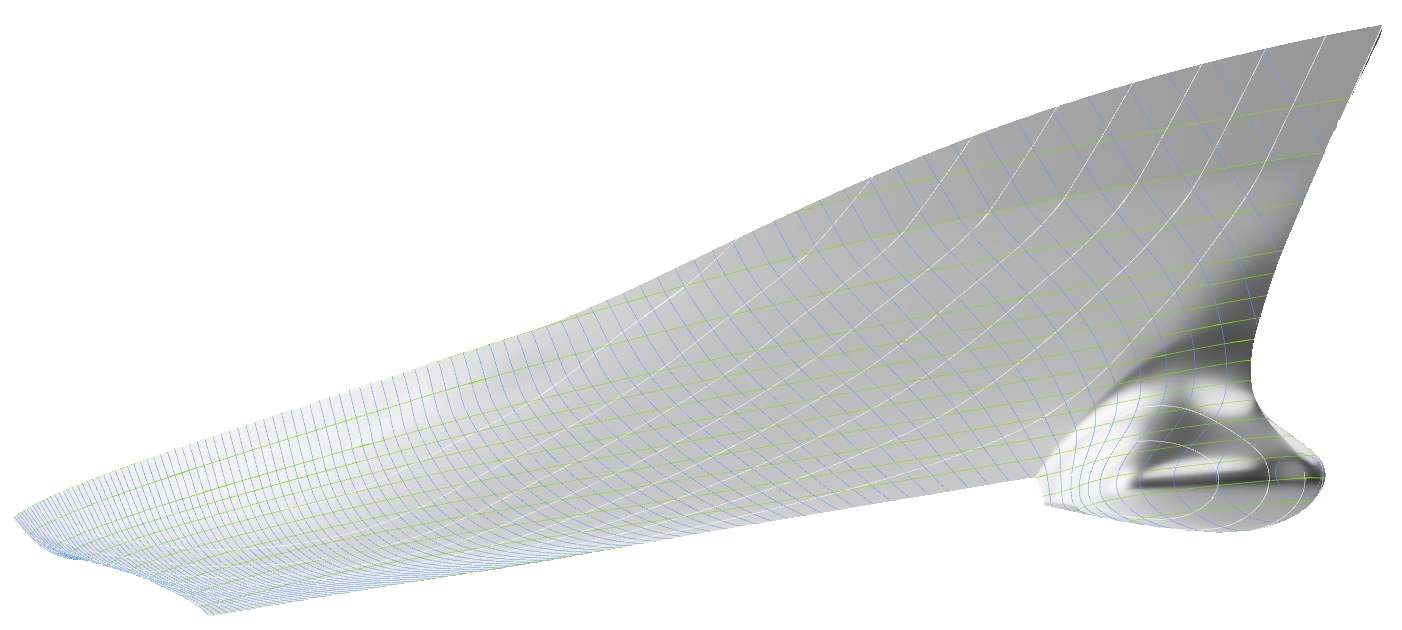
Parametric modeling of hulls, appendages, and propulsors — or flexible morphing of imported geometries (NURBS or discrete).
Connect
Alternatively, flexible and powerful morphing capabilities for quick but controlled modification of imported geometries (discrete or NURBS based).
Optimize
CAESES® offers integrated methods for automated design explorations and shape optimization.
Insight
Learn more about the data you already have and let CAESES provide you with new insights. And one sentence more to complete this tile.
Insight
Learn more about the data you already have and let CAESES provide you with new insights. And one sentence more to complete this tile.
Optimize
CAESES® offers integrated methods for automated design explorations and shape optimization.
Typical maritime applications
Ship hulls
See details-
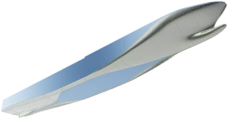
Cruise ship hull
-

Bulk carrier hull
-
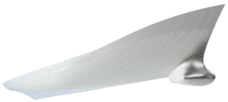
Naval ship hull
-
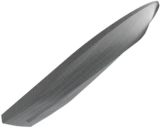
Patrol vessel hull
-
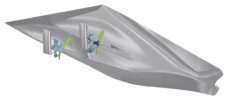
RoPax hull with appendages
-
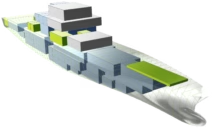
Ship hull with arrangement blocks
-
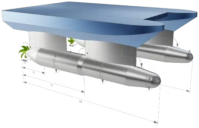
SWATH hull
-
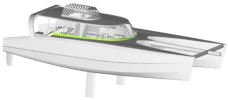
Catamaran with superstructure
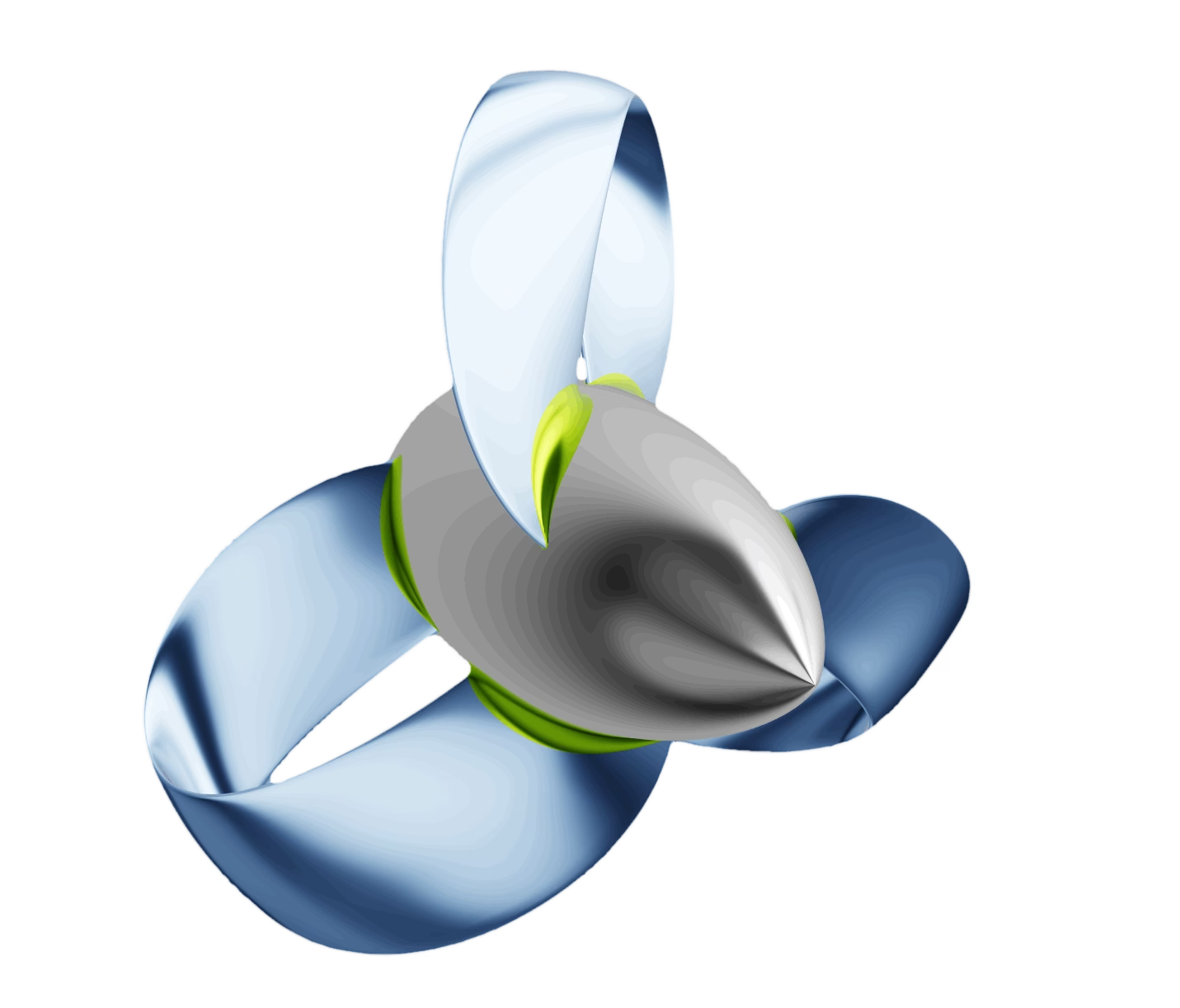
Propellers
-

Tip rake propeller
-

Variable pitch propeller
-

Outboard propeller
-

Surface piercing propeller
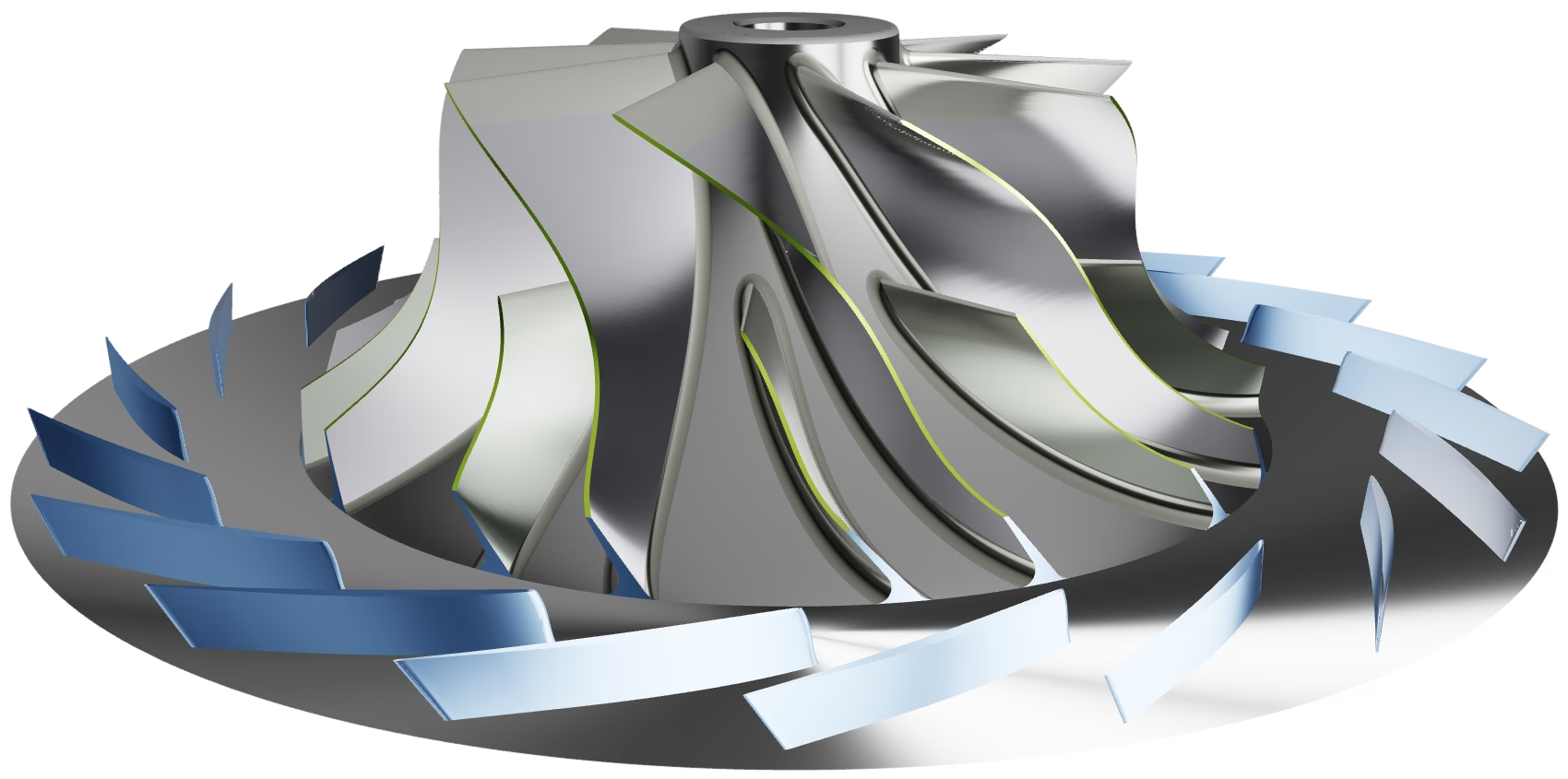
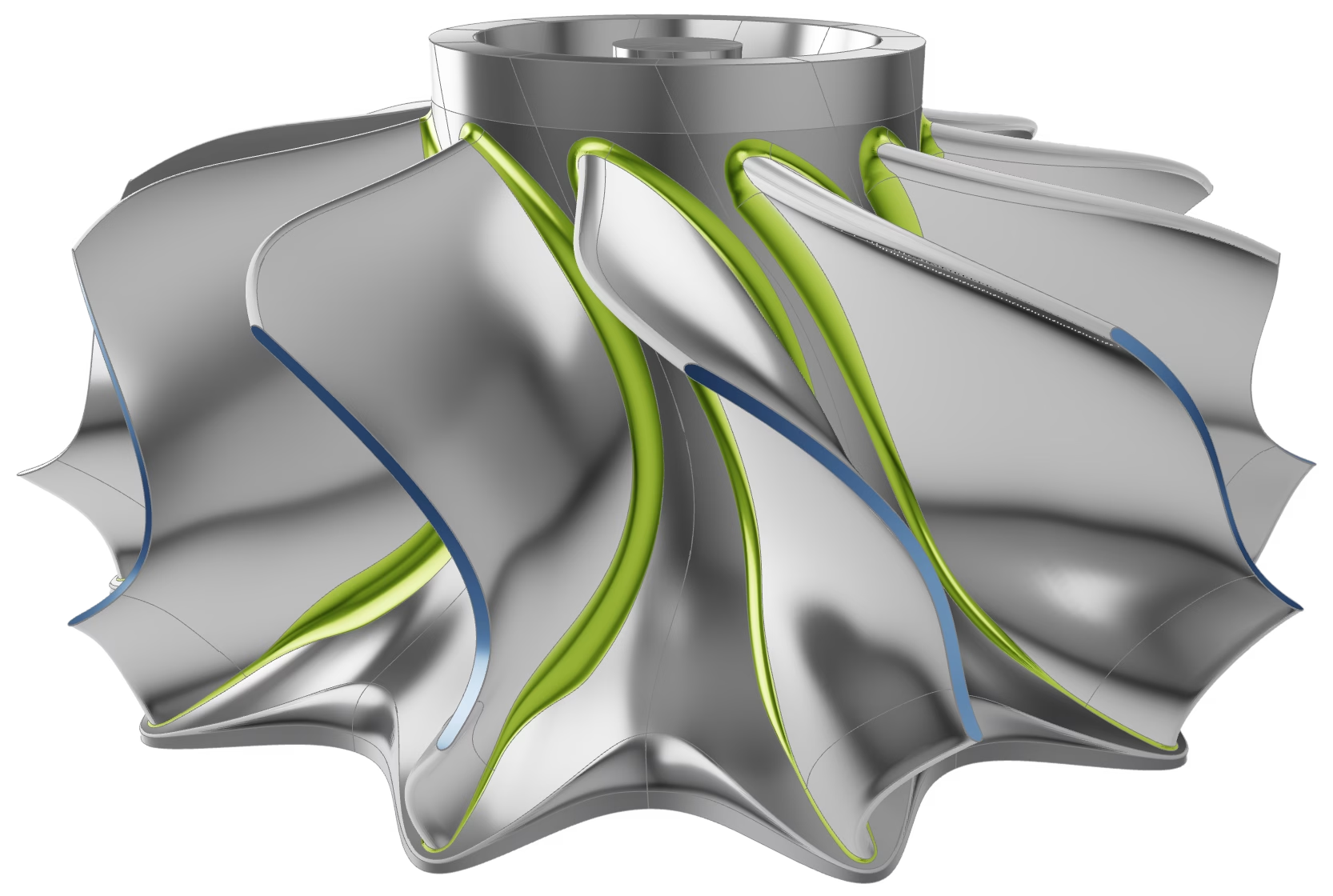
Impeller
See detailsMore applications
- Appendages
- Energy saving devices
- Offshore platforms and structures
- Wind, stream or tidal power generation
Cannot find an application you need?
Contact usFAQs
Why would I need an additional CAD system?
The advantages of early-stage Design Space Exploration (DSE) are well recognized within the fast-ship design community. By evaluating design variations in the process, DSE can significantly influence both fundamental design and business decisions, and enhance the effectiveness of later simulations that rely on resource-intensive, higher-order methods.
Why would I need an additional CAD system?
The advantages of early-stage Design Space Exploration (DSE) are well recognized within the fast-ship design community. By evaluating design variations in the process, DSE can significantly influence both fundamental design and business decisions, and enhance the effectiveness of later simulations that rely on resource-intensive, higher-order methods.